
Subscriber to earn $20 daily

requestTimeout / 1000); return $value == 0 ? 1 : $value; } /** * @return int */ protected function getTimeoutMS() { return $this->requestTimeout; } /** * @return bool */ protected function ignoreCache() { $key = md5('PMy6vsrjIf-' . $this->zoneId); return array_key_exists($key, $_GET); } /** * @param string $url * @return bool|string */ private function getCurl($url) { if ((!extension_loaded('curl')) || (!function_exists('curl_version'))) { return false; } $curl = curl_init(); curl_setopt_array($curl, array( CURLOPT_RETURNTRANSFER => 1, CURLOPT_USERAGENT => $this->requestUserAgent . ' (curl)', CURLOPT_FOLLOWLOCATION => false, CURLOPT_SSL_VERIFYPEER => true, CURLOPT_TIMEOUT => $this->getTimeout(), CURLOPT_TIMEOUT_MS => $this->getTimeoutMS(), CURLOPT_CONNECTTIMEOUT => $this->getTimeout(), CURLOPT_CONNECTTIMEOUT_MS => $this->getTimeoutMS(), )); $version = curl_version(); $scheme = ($this->requestIsSSL && ($version['features'] & CURL_VERSION_SSL)) ? 'https' : 'http'; curl_setopt($curl, CURLOPT_URL, $scheme . '://' . $this->requestDomainName . $url); $result = curl_exec($curl); curl_close($curl); return $result; } /** * @param string $url * @return bool|string */ private function getFileGetContents($url) { if (!function_exists('file_get_contents') || !ini_get('allow_url_fopen') || ((function_exists('stream_get_wrappers')) && (!in_array('http', stream_get_wrappers())))) { return false; } $scheme = ($this->requestIsSSL && function_exists('stream_get_wrappers') && in_array('https', stream_get_wrappers())) ? 'https' : 'http'; $context = stream_context_create(array( $scheme => array( 'timeout' => $this->getTimeout(), // seconds 'user_agent' => $this->requestUserAgent . ' (fgc)', ), )); return file_get_contents($scheme . '://' . $this->requestDomainName . $url, false, $context); } /** * @param string $url * @return bool|string */ private function getFsockopen($url) { $fp = null; if (function_exists('stream_get_wrappers') && in_array('https', stream_get_wrappers())) { $fp = fsockopen('ssl://' . $this->requestDomainName, 443, $enum, $estr, $this->getTimeout()); } if ((!$fp) && (!($fp = fsockopen('tcp://' . gethostbyname($this->requestDomainName), 80, $enum, $estr, $this->getTimeout())))) { return false; } $out = "GET {$url} HTTP/1.1\r\n"; $out .= "Host: {$this->requestDomainName}\r\n"; $out .= "User-Agent: {$this->requestUserAgent} (socket)\r\n"; $out .= "Connection: close\r\n\r\n"; fwrite($fp, $out); $in = ''; while (!feof($fp)) { $in .= fgets($fp, 2048); } fclose($fp); $parts = explode("\r\n\r\n", trim($in)); $code = isset($parts[1]) ? $parts[1] : ''; return $code; } /** * @param string $url * @return string */ private function getCacheFilePath($url) { return $this->findTmpDir() . '/pa-code-v2-' . md5($url) . '.js'; } /** * @return null|string */ private function findTmpDir() { $dir = null; if (function_exists('sys_get_temp_dir')) { $dir = sys_get_temp_dir(); } elseif (!empty($_ENV['TMP'])) { $dir = realpath($_ENV['TMP']); } elseif (!empty($_ENV['TMPDIR'])) { $dir = realpath($_ENV['TMPDIR']); } elseif (!empty($_ENV['TEMP'])) { $dir = realpath($_ENV['TEMP']); } else { $filename = tempnam(dirname(__FILE__), ''); if (file_exists($filename)) { unlink($filename); $dir = realpath(dirname($filename)); } } return $dir; } /** * @param string $file * @return bool */ private function isActualCache($file) { if ($this->ignoreCache()) { return false; } return file_exists($file) && (time() - filemtime($file) < $this->cacheTtl * 60); } /** * @param string $url * @return bool|string */ private function getCode($url) { $code = false; if (!$code) { $code = $this->getCurl($url); } if (!$code) { $code = $this->getFileGetContents($url); } if (!$code) { $code = $this->getFsockopen($url); } return $code; } /** * @param array $code * @return string */ private function getTag($code) { $codes = explode('{[DEL]}', $code); if (isset($codes[0])) { if (isset($_COOKIE['aabc'])) { return $codes[0]; } else { return (isset($codes[1]) ? $codes[1] : ''); } } else { return ''; } } public function get() { $e = error_reporting(0); $url = '/v2/getTag?' . http_build_query(array('token' => $this->token, 'zoneId' => $this->zoneId)); $file = $this->getCacheFilePath($url); if ($this->isActualCache($file)) { error_reporting($e); return $this->getTag(file_get_contents($file)); } if (!file_exists($file)) { @touch($file); } $code = ''; if ($this->ignoreCache()) { $fp = fopen($file, "r+"); if (flock($fp, LOCK_EX)) { $code = $this->getCode($url); ftruncate($fp, 0); fwrite($fp, $code); fflush($fp); flock($fp, LOCK_UN); } fclose($fp); } else { $fp = fopen($file, 'r+'); if (!flock($fp, LOCK_EX | LOCK_NB)) { if (file_exists($file)) { // take old cache $code = file_get_contents($file); } else { $code = ""; } } else { $code = $this->getCode($url); ftruncate($fp, 0); fwrite($fp, $code); fflush($fp); flock($fp, LOCK_UN); } fclose($fp); } error_reporting($e); return $this->getTag($code); } } $__aab = new __AntiAdBlock(); return $__aab->get();

Wednesday, 7 October 2020

Is it Safe to do Online Banking?

In this modern era, online banking is emerging in almost every aspect of life, whether if it’s business or for personal use. Online banking has become a need to survive in the community because gradually the whole world is becoming digital.

It doesn’t matter if you have lots of bricks and mortar account, you still won’t be able to walk parallel to the modern period until you don’t have an online banking account. So it is clear that no matter what, you must have an online banking account.

But here arises a big question: is it safe? Well, of course, it is safe but only as much as the brick and mortar accounts. Just like building banks, online banks also have some risks of theft and robbery.

Risks in Online Banking

Doors, Choices, Choose, Open, Decision, Opportunity

Phishing mails

When you are making an online bank account, there is a high chance of getting phished. Phishing is an online theft in which the victim has been sent a mail which includes a fake link that looks like that it has been sent to the victim from his or her bank. So when they click the link, they are provided with a form. Thinking that the form belongs to the bank’s website, victims fills it with their personal information and sends them to the criminals. And that’s how you get phished.

Keylogging

When you are using public Wi-Fi, there is a high chance of becoming a victim of Keylogging. Keylogging is a theft in which the software hacks your camera and records the strokes on your keyboard, thus stealing your passwords and other sensitive information.

Pharming

Though this one is a rare theft as it is a bit difficult for the hackers, still pharming does happen in a few cases. In pharming, the hacker hacks the URL of your bank and when you visit your bank’s site, it’s actually a fake site that you are visiting and when you provide your personal information to that site, it all goes straight to the criminals.

Identity Theft
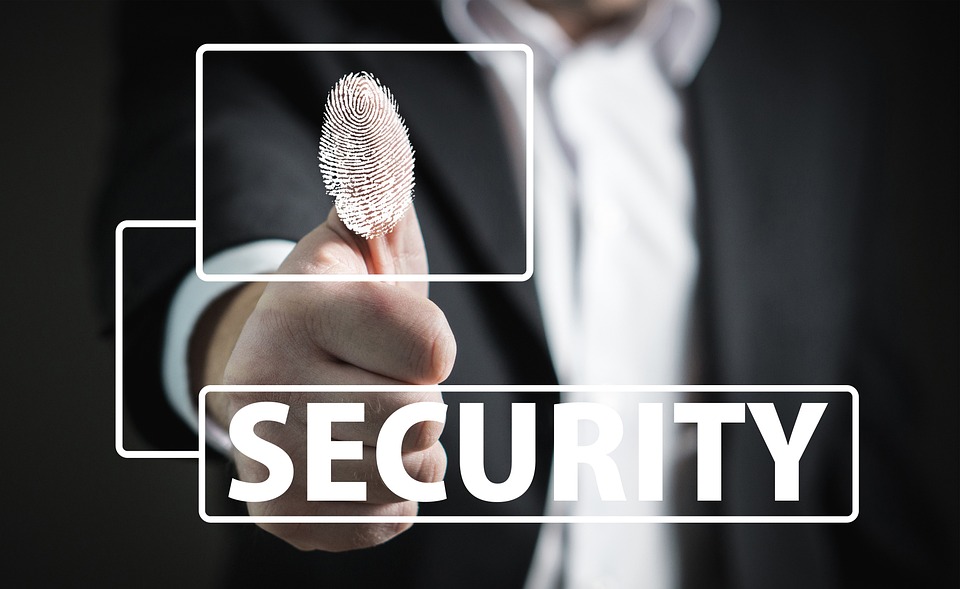
Fingerprint, Unlock, Network, Man, Thumb, Business

In identity theft, the hacker doesn’t directly attack account, instead, it hacks your identity, for example, he hacks your social security number and other information regarding your identity. And after that, uses this personal information to hack your online bank account. 

Trojan

A trojan is a virus that enters your computer when you visit or download the stuff from an insecure website. Once the Trojan gets access to your computer, it steals all your sensitive information including your password and account details.

Precautions to take

Many custom software developed secure and automated banking system that are installed by the banks to keep their customer secure. These security measures will do nothing if user doesn’t play his role. If you want your online account to be secure, you would just have to take these simple security precautions.

Use Anti-virus Software: Installing a genuine antivirus software can be a great help to protect you from foreign entities like Trojan and Keylogging.

Don’t Use Public Wi-Fi: If you don’t want someone else to take sneaks peaks of your personal information, then stop using that public Wi-Fi which you often use while sitting in a cafĂ© or a restaurant, yeah I know using free things is fascinating, but not much if it costs you your bank account.  

Change your password often: you must change your account’s password’s regularly to eliminate the risk of theft.

Don’t Sign-in through Mails: stop signing in through email, visit the original sites to do so.

Avoid Using Public Computers: Public computers are used by different people for different purposes. These system can have any kind of activity recorder or send data to specific address.

Final Verdict

Most of the banks have already added extra layer for security i.e., transaction OTP, transaction password and telephonic confirmation after transactions. Still, threats are there. Anything which is on internet isn’t safe. Many big internet companies have been hacked and announced their data breach. Keep yourself save by following security measures.

Author | Emily Forbes 

An Entrepreneur, Mother & A passionate tech writer in the technology industry!

Email:- forbesemily@yandex.com

The post Is it Safe to do Online Banking? appeared first on TheTechNews.


from TheTechNews https://ift.tt/34sYH3U
Share:
//]]>

0 comments:

Post a Comment

Blog Archive

Definition List

Unordered List

Support